

Medically reviewed by Dr. L. Bharath , Consultant Orthopaedic Surgeon, Bharath Orthopaedics
If you have ever twisted your knee badly during a game, a fall, or even just a wrong step off a curb, you know how scary that moment can feel. One second you are moving fine. The next, your knee buckles, swells up, and you cannot put weight on it. That sudden change is often a sign of a ligament injury, and it is more common than you might think.
The good news is that many knee ligament injuries can be managed successfully with the right treatment and rehabilitation. Ligament Injury Physiotherapy Treatment can help reduce pain and swelling, restore knee movement, strengthen the muscles around the joint, and improve stability. Whether surgery is needed depends on which ligament is involved, how severe the injury is, how stable the knee feels, and your activity level. In many cases, physiotherapy is the main treatment, and it can be highly effective when followed consistently.
What are Knee Ligaments, Really?
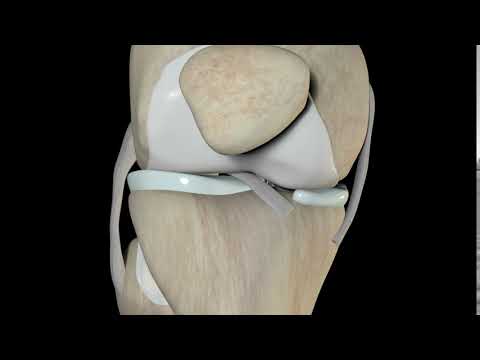
Think of the ligaments in your knee as strong ropes that hold your bones together and keep the joint from wobbling. There are four main ones.
The ACL sits in the middle of the knee. It helps stop the shin bone from sliding too far forward and also gives the knee important rotational stability, which is why a torn ACL often makes the knee feel like it wants to twist or give way. The PCL sits just behind it and helps stop the shin bone from moving too far backward relative to the thigh bone. On the sides, the MCL and LCL keep your knee from bending sideways in ways it should not.
When you twist your leg too hard, land awkwardly, or take a direct hit to the knee, one or more of these ligaments can stretch too far or tear. That is when the pain, swelling, and instability begin.
It helps to picture the knee as a hinge held together by these four ropes. As long as all four are doing their job, the hinge only moves the way it is supposed to. The moment one rope is damaged, the hinge starts moving in directions it was never built for, and that is what makes the joint feel loose or unsafe.
How Do You Know It Is a Ligament Injury?
Every injury feels a little different, but there are some signs that show up again and again.
- A pop or snap felt at the moment of injury
- Swelling that shows up within a few hours
- Trouble walking or standing normally
- A feeling that the knee could give way under you
- A strange looseness in the joint, like it is not holding together the way it used to
Pain levels can vary a lot too. Some people feel sharp pain right away and cannot move the leg at all. Others feel only mild discomfort at first, then notice the knee getting stiffer and more swollen over the next day. Neither pattern rules out a ligament injury, which is one reason people often wait too long before getting checked.
If any of this sounds familiar, it is worth getting the knee checked by a doctor or physiotherapist rather than waiting it out.
Why Physiotherapy Matters So Much
It is tempting to think that rest alone will fix a ligament injury. Unfortunately, rest by itself often is not enough. Ligament healing can be slow, and how well a ligament heals depends a lot on which one is injured and whether the tear is partial or complete. The MCL, for example, sits outside the joint and has a good blood supply, so it often heals well on its own with the right rehabilitation.
The ACL sits inside the joint, surrounded by joint fluid that does not support healing in the same way, which is why a fully torn ACL rarely heals on its own. On top of all this, the muscles around an injured knee tend to weaken fast when they are not used properly, which is another reason rest alone falls short.
This is where physiotherapy comes in. A good physiotherapy program does several things at once. It calms down pain and swelling in the early days. It slowly brings back the knee’s full range of motion. It rebuilds strength in the thigh and hip muscles that support the joint. It also retrains balance and coordination, which matters more than most people realize, since poor balance is a common reason people re-injure the same knee later.
There is another side to physiotherapy that people do not talk about enough, and that is confidence. After a ligament injury, many people feel nervous about trusting the knee again, even after the pain is gone. A good physiotherapist does not just fix the physical problem. They walk you through movements step by step until your body and your mind both believe the knee is safe again.

How Serious is the Tear?
Doctors usually describe ligament tears in three grades.
A grade one tear is a mild stretch with no real structural damage. A grade two tear is a partial tear, where some of the fibers have given way. A grade three tear is a complete tear, where the ligament has torn all the way through.
Many grade one injuries improve over several weeks with the right rehabilitation, though the exact timeline depends on which ligament is involved and how severe the injury is. Complete tears generally need a longer rehabilitation period. Some can be treated without surgery. Others, particularly people with a lot of instability or those who want to return to sports that involve pivoting and quick direction changes, may need surgical reconstruction. Either way, physiotherapy plays a big part in getting the knee strong again, before or after any surgery.
A complete tear does not always mean surgery is the only path. Some people, especially those who are not very active in high demand sports, do well with physiotherapy alone even after a full tear of certain ligaments. This is a decision best made together with a doctor, based on which ligament is torn, your activity level, how unstable the knee feels day to day, and your overall health.
Does Every Ligament Injury Need Surgery?
No. Many ligament injuries can be treated without surgery, particularly some partial tears and injuries to the ligaments on the sides of the knee, like the MCL. But some complete ACL tears, and injuries that involve more than one ligament at once, may need surgical treatment. The right decision depends on which ligament is hurt, how much instability there is, whether other structures in the knee are also injured, your activity goals, and your general health. This is why an in person assessment matters so much. No two knee injuries are exactly the same.
What Physiotherapy Actually Looks Like
Recovery usually moves through a few natural stages, though the exact pace depends on the person and the injury.
In the first 48 hours after an injury, before you even see a physiotherapist, simple home care can help. This is often remembered as PRICE. Protect the knee from further injury, rest it, apply ice for short periods for comfort, use gentle compression, and keep the leg elevated when you can. This is short term symptom relief, not a substitute for a proper assessment.
At the start of physiotherapy, the therapist checks how the knee moves, how much pain there is, and how much the injury is limiting daily life. From there, they build a plan around your specific situation, not a one size fits all routine.
Early sessions often focus on reducing pain and swelling and restoring comfortable movement. Ice may still be used for short term comfort when appropriate, but it is not what heals the ligament itself. As things settle, the focus shifts to slowly regaining motion and building strength in a safe, controlled way. Later stages bring in movements that look more like real life, such as walking on uneven ground, climbing stairs, or gently pivoting. If you play a sport, the final stage usually includes drills that mimic the demands of that sport before you are cleared to return.
Some simple exercises come up again and again in these programs.
- Quad sets. Tighten the thigh muscle while lying flat. This wakes up the muscle without stressing the joint.
- Heel slides. Slowly bend the knee by sliding the heel back. This brings back bending motion.
- Straight leg raises. Lift the leg without bending the knee. This builds strength safely.
- Bridges. Strengthen the glutes and hamstrings, which take pressure off the front of the knee.
- Step ups. Practice controlled steps to train the kind of control you need for everyday movement like using stairs.
- Balance and proprioception drills. Standing on one leg, or on a wobble cushion, retrains the tiny sensors inside and around the joint that tell your brain where your knee is in space. This is what helps stop the knee from suddenly giving way during everyday movement.
None of these look dramatic. That is actually the point. Small, controlled movements, done consistently, are what rebuild a knee you can trust again.
As you improve, the exercises get a little harder each week. A physiotherapist might add light resistance bands, balance boards, or short bursts of jogging once the knee can handle it. This slow build up matters. Returning to demanding activities before your strength, movement control, and overall function have properly recovered can raise the risk of re injuring the same knee.
Common Mistakes People Make During Recovery
A few habits tend to slow recovery down, and they are worth knowing about early.
Some people stop their exercises the moment the pain goes away, thinking the job is done. Pain easing does not always mean the muscle strength or balance is fully back. Others go the opposite way and try to return to sport too quickly, before the physiotherapist has cleared them, which raises the risk of a second injury. A smaller but common mistake is skipping the balance and coordination part of therapy, since it can feel less important than strength work. In reality, it is often what protects the knee the most once you are back on your feet.
When Should You See Someone?
It is a good idea to get checked if pain lasts more than a few days, if you cannot fully bend or straighten the knee, or if the joint feels unstable when you walk. Waiting too long can sometimes make recovery slower, since weak or tight muscles around an unsteady knee tend to make things worse over time.
Some symptoms need urgent attention rather than a routine check up. Seek immediate medical care if you cannot bear any weight on the leg right after the injury, if the knee is severely swollen or looks visibly out of shape, if the joint feels completely locked and will not bend or straighten, or if the foot feels numb, cold, or pale. These signs can point to something more serious than a straightforward ligament injury and should not wait.
It also helps to see someone even if the injury feels minor at first. Some ligament injuries feel fine within a day or two, only for the knee to give way weeks later during normal activity. An early check up, even a short one, can catch this before it becomes a bigger problem.
Life After Recovery
Getting through the main treatment does not mean the work is completely over. Many physiotherapists recommend continuing some simple strength and balance exercises long after the knee feels normal again. This keeps the muscles around the joint strong and helps catch any small weakness before it turns into another injury.
People who play sports regularly are often encouraged to keep up light strength training and warm up routines even once they are fully back to playing. Think of it less like a temporary fix and more like ongoing maintenance for a joint that carries a lot of your body weight every single day.
The Bigger Picture
A ligament injury can feel like a major setback, especially if you are active or play sports. But for most people, it is not the end of the road. With steady, well guided physiotherapy, the knee can become strong and stable again, often without ever needing an operation.
The key is patience and consistency. Healing ligaments takes time, and skipping steps to rush back usually backfires. Working closely with a physiotherapist, following the plan they build for you, and giving your body the time it needs are still the most reliable ways to get back to walking, running, or playing the way you did before.
If your knee has felt off since an injury, do not just wait and hope it settles on its own. A proper assessment can tell you exactly what is going on and what it will take to get you moving confidently again.