
Medically Reviewed by Dr. Bharath Loganathan, MS Ortho, MRCS Edinburgh, DNB Orthopaedics | Orthopaedic Surgeon, Bharath Orthopaedics, Chennai
If you have knee pain, chances are you have already tried the usual advice: rest more, lose a little weight, or take an anti-inflammatory when it flares up. What most patients do not hear enough about is how much their plate can affect their knees. Knowing the foods to avoid knee pain may help reduce inflammation and support better joint health. In our clinics in Kilpauk and Purasaiwalkam, we see patients whose knee pain improves noticeably once they clean up a few habits in their diet, even before surgery or physiotherapy is on the table.
Food will not fix a torn meniscus or bone on bone arthritis on its own. But it plays a bigger role in day to day swelling, stiffness, and joint comfort than most people expect. Here is what tends to make knee pain worse, what helps, and when diet alone is not enough.
How What You Eat Shows Up in Your Knees
Knee pain is often inflammatory at its core, even when the root cause is mechanical, like wear and tear in the cartilage. Certain foods keep that inflammation simmering in the background. Others help calm it down. Over months and years, this adds up. Patients who cut back on the worst offenders often notice less morning stiffness and less swelling after a long day on their feet, well before any other treatment kicks in.
Weight matters here too. Every extra kilogram puts several times that in added pressure on your knees with each step. So foods that contribute to weight gain hurt in two ways: directly through inflammation, and indirectly through added load on the joint.

Foods That Tend to Make Knee Pain Worse
Processed and red meats. Sausages, bacon, and fatty cuts of red meat are high in saturated fat, which has been linked to higher inflammatory markers in the blood. Occasional is fine. Daily is where it starts to add up.
Sugary foods and drinks. Sodas, sweets, and packaged juices spike blood sugar and raise cytokines, the body’s inflammatory messengers. Patients who cut down on sugar often report less puffiness around the joints within a few weeks.
Fried and fast food. The trans fats in most fried and fast food interfere with how well your joints stay lubricated and how quickly tissue recovers after activity.
Full fat dairy, for some people. Dairy is not a problem for most people. But if you already have a sensitivity to it, regular dairy can show up as extra joint discomfort. If you are unsure, track it for two weeks and see if symptoms shift, rather than cutting it out on a guess.
Too much salt. Extra sodium pulls in fluid, and that fluid does not skip your knees. Swelling around the joint from a salty diet is common and reversible once salt intake comes down.
Alcohol, in excess. Heavy or regular drinking can interfere with calcium absorption over time, which weakens both bone and cartilage. An occasional drink is not the concern here, it is the daily habit.
Processed snacks. Chips, packaged cookies, instant noodles. These usually combine refined oils, preservatives, and salt, which is a rough combination for joint inflammation.
Refined vegetable oils. Sunflower and corn oil are high in omega 6 fats. In small amounts they are fine, but when they make up most of your cooking oil, they can tip the balance toward more inflammation in the body.
Gluten, only if you need to avoid it. Unless you have celiac disease or a confirmed gluten sensitivity, there is no real evidence that cutting gluten helps knee pain specifically. Do not remove it from your diet based on this alone.
What to Eat More Of
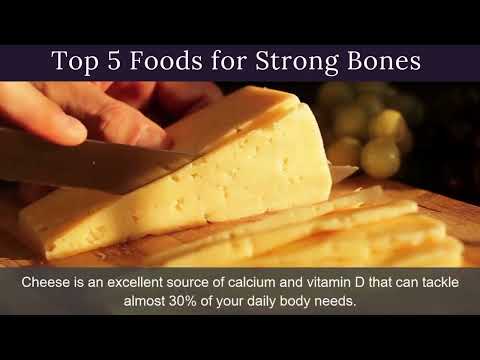
The flip side matters just as much. Fatty fish, walnuts, and flaxseeds bring in omega 3s, which work against inflammation rather than feeding it. Leafy greens, berries, and turmeric carry antioxidants that support cartilage health. Getting enough calcium and vitamin D, through food or sensible sun exposure, keeps the bone around your knee joint strong. And do not skimp on protein. The muscles around your knee, especially the quadriceps, do a lot of the work of protecting the joint, and they need protein to stay strong.
When Diet Alone Is Not Enough
Diet changes are a genuinely useful piece of managing knee pain, but they are not a substitute for a diagnosis. If your knee pain has lasted more than a few weeks, wakes you up at night, comes with visible swelling or warmth, or limits how you walk or climb stairs, it is worth getting it looked at properly. Conditions like advanced osteoarthritis, ligament injuries, or meniscus tears need more than dietary changes, and catching them early usually means simpler treatment later.
The Bottom Line
What you eat will not replace a proper diagnosis or treatment plan, but it is one of the few things you have full control over every single day. Cutting back on processed food, sugar, and excess salt, while building meals around fish, vegetables, and lean protein, gives your knees a real advantage over time. If pain persists despite these changes, do not wait it out. At Bharath Orthopaedics, we can assess what is actually driving your knee pain and build a treatment plan around it, whether that is physiotherapy, targeted injections, or in advanced cases, procedures like our SMART Knee Replacement protocol.
Read also:Indian Food for Strong Bones