
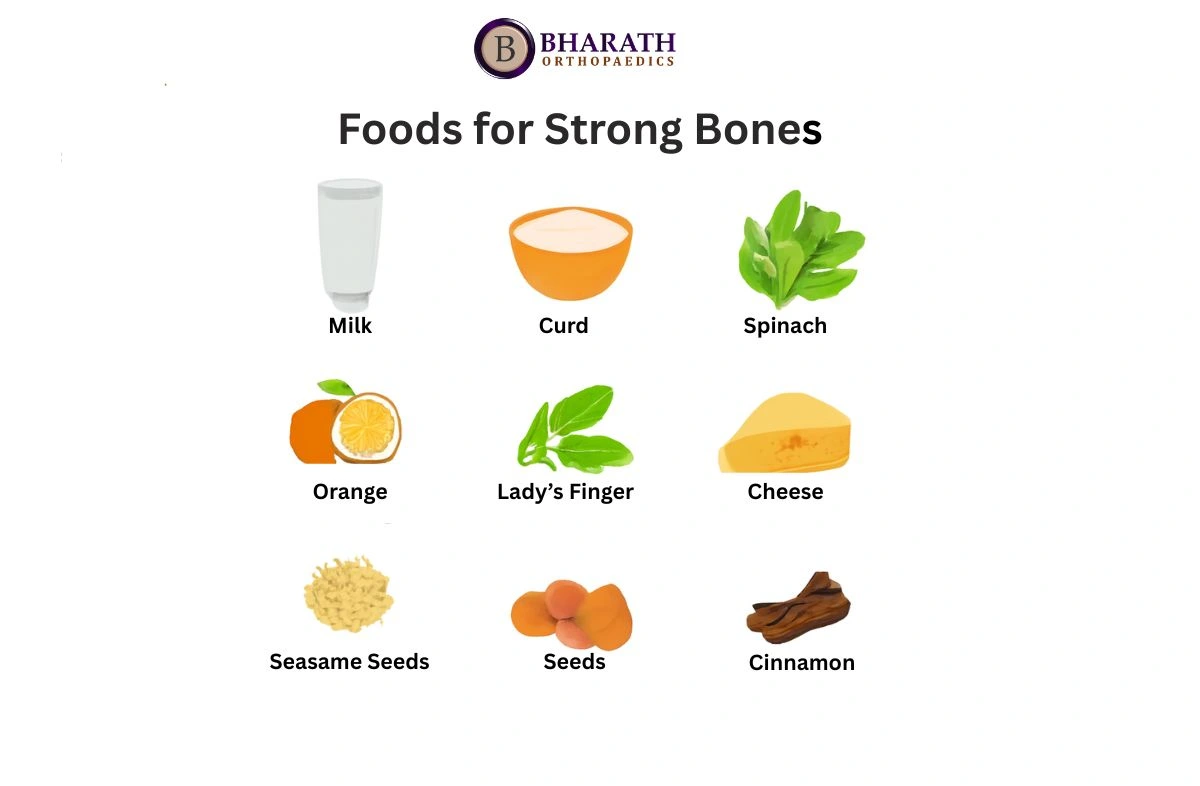
Indian food for strong bones plays a vital role in building a healthy, active life. Strong bones mean dense, durable, and well-nourished skeletal structure that can support your body, prevent fractures, and withstand age-related wear. From childhood to old age, maintaining bone strength is essential for mobility and overall health. In India, traditional foods rich in calcium, vitamin D, magnesium, and protein naturally support bone health. With the right choices on your plate, it’s possible to boost bone strength without relying on supplements. Discover how everyday Indian meals can help you stay stronger, longer.
Indian Food for Strong Bones
🍶 Yogurt
Why it’s good for bones:
- Rich source of calcium, protein, and vitamins to increase bone density.
- Helps prevent osteoporosis and supports overall bone health.
- Contains probiotics that improve nutrient absorption and gut health.
How to use in your diet:
- Eat a cup of plain yogurt daily, plain or with fruits.
- Use as a base for smoothies or lassi.
- Add to curries or raita to boost calcium intake.
🥛 Milk
Why it’s good for bones:
- Excellent source of calcium, vitamin D, and proteins.
- Regulates blood sugar levels and strengthens bones.
- Supports metabolism, immunity, and cardiovascular health.
How to use in your diet:
- Drink a glass of milk daily, plain or in tea.
- Use milk in cereals, porridge, or smoothies.
- Make milk-based desserts like kheer or payasam.
🥛 Soy Milk
Why it’s good for bones:
- Contains complete protein and essential amino acids.
- Boosts calcium and iron levels in the body.
- Supports bone strength and helps maintain joint health.
How to use in your diet:
- Drink a glass of fortified soy milk daily.
- Use in tea, coffee, or smoothies.
- Replace regular milk with soy milk in cereals or cooking.
🥚 Eggs
Why it’s good for bones:
- Rich in vitamin D, protein, and minerals essential for bones.
- Helps strengthen bones and maintain bone density.
- Supports overall growth and body function.
How to use in your diet:
- Boil, scramble, or make an omelet daily.
- Add eggs to salads, sandwiches, or curries.
- Include in breakfast dishes like egg bhurji or frittata.
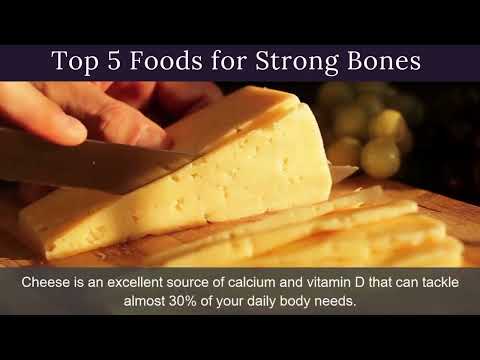
🧀 Cheese
Why it’s good for bones:
- High in calcium and phosphorus for bone development.
- Contains small amounts of vitamin D to improve calcium absorption.
- Helps increase bone density and maintain joint health.
How to use in your diet:
- Sprinkle cheese over sandwiches, pasta, or salads.
- Include in Indian dishes like paneer bhurji or paratha.
- Enjoy as a snack with whole-grain crackers.
🥗 Tofu
Why it’s good for bones:
- Rich in calcium, protein, iron, manganese, and phosphorus.
- Contains isoflavones which support stronger bones.
- Helps maintain bone density and prevent osteoporosis.
How to use in your diet:
- Add tofu to curries, stir-fries, or soups.
- Marinate and grill tofu for a healthy snack.
- Blend into smoothies or salads for extra protein.
🌾 Whole Grains
Why it’s good for bones:
- Source of magnesium, fiber, and B vitamins.
- Supports calcium absorption and strengthens bones.
- Provides energy and overall nutritional support.
How to use in your diet:
- Eat brown rice, oats, wheat, or buckwheat daily.
- Make porridge, upma, or whole-grain rotis.
- Add grains to soups, salads, or healthy snacks.
🥑 Walnuts and Avocados
Why it’s good for bones:
- Rich in healthy fats, vitamins, and minerals like magnesium, zinc, and potassium.
- Helps maintain bone density and supports joint health.
- Reduces inflammation and improves overall skeletal strength.
How to use in your diet:
- Snack on a handful of walnuts daily.
- Add avocado slices to salads or toast.
- Blend into smoothies for a nutrient boost.
🌰 Almonds
Why it’s good for bones:
- Contains calcium, magnesium, vitamin E, protein, and omega fatty acids.
- Helps regulate blood sugar and strengthen bones.
- Supports overall growth and bone maintenance.
How to use in your diet:
- Eat 6–8 almonds daily as a snack.
- Add almonds to cereals, smoothies, or desserts.
- Use almond butter as a healthy spread.
🐟 Fishes (Tuna, Salmon, Sardines)
Why it’s good for bones:
- Rich in vitamin D, omega-3 fatty acids, and healthy fats.
- Supports bone density and reduces risk of osteoporosis.
- Helps manage arthritis, stiffness, and joint discomfort.
How to use in your diet:
- Grill, bake, or steam salmon or tuna.
- Include sardines in curries or salads.
- Use fish oils or supplements as advised by a doctor.
🥬 Green Leafy Vegetables
Why it’s good for bones:
- Contains vitamin A, C, K, magnesium, potassium, and iron.
- Supports bone tissue regeneration and strengthens bones.
- Reduces risk of bone degeneration caused by vitamin K deficiency.
How to use in your diet:
- Cook spinach, fenugreek, or cabbage as poriyal or curry.
- Add to soups, dals, or smoothies.
- Use as a filling in parathas or rolls.
🍊 Oranges
Why it’s good for bones:
- High in vitamin C, vitamin D, and calcium.
- Promotes collagen production for strong connective tissues.
- Enhances bone density and overall skeletal health.
How to use in your diet:
- Eat fresh oranges daily as a snack.
- Add orange slices to salads or desserts.
- Drink fresh orange juice without added sugar.
🌱 Sesame Seeds
Why it’s good for bones:
- Very high in calcium, magnesium, phosphorus, and zinc.
- Supports bone density and skeletal strength.
- Rich in healthy fats and protein, aiding overall bone health.
How to use in your diet:
- Sprinkle roasted sesame seeds on salads, yogurt, or porridge.
- Make til laddoos, a traditional calcium-rich sweet.
- Add to curries, rice dishes, or as a garnish.
🌿 Drumstick Leaves (Moringa)
Why it’s good for bones:
- Very high in calcium, vitamin K, magnesium, and phosphorus.
- Supports bone mineralization and overall skeletal strength.
- Rich in antioxidants that reduce inflammation.
How to use in your diet:
- Add chopped leaves to sambar, dal, or soups.
- Make stir-fries (poriyal) with coconut.
- Blend into smoothies or juices for extra nutrients.
🧀 Paneer (Indian Cottage Cheese)
Why it’s good for bones:
- High in calcium, protein, and phosphorus for strong bones.
- Helps improve bone density and supports joint health.
- Contains vitamin D and B12 for better calcium absorption.
How to use in your diet:
- Include paneer in curries, parathas, or sandwiches.
- Grill or roast paneer as a snack.
- Add to salads or stir-fries for extra protein.
Foods that Harm Bones
Certain supplements can help manage RA symptoms and improve joint health. Here are some top rheumatoid arthritis supplements to consider:
| Foods to Avoid | Why to Avoid |
| Processed & Fried Foods | Trigger inflammation and worsen joint pain |
| Sugary Snacks & Beverages | Increase inflammation and weight gain |
| Refined Carbohydrates (white bread, etc.) | Can spike blood sugar and worsen inflammation |
| Excess Salt (in packaged/fast food) | Leads to fluid retention and joint swelling |
| Red & Processed Meats | High in saturated fats; linked to increased inflammation |
| Dairy (in some individuals) | May trigger symptoms in sensitive people |
| Alcohol | Can interfere with medications and worsen symptoms |
| Gluten (for some individuals) | May worsen symptoms in gluten-sensitive RA patients |
Why Bone Health Is Important
- Supports the Body’s Structure and Shape: Bones form the internal framework that gives the body its shape and maintains posture. Healthy bones ensure balance and stability, allowing the body to move efficiently during daily tasks and physical activity.
- Protects Vital Organs from Injury: The rib cage protects critical organs such as the heart and lungs, while the skull safeguards the brain from trauma. This protective function is vital in preventing life-threatening injuries during accidents or falls.
- Enables Smooth Movement and Muscle Function: Bones work closely with muscles and joints to produce coordinated body movements. When bones are healthy, muscles and joints function optimally, allowing individuals to stay active and maintain flexibility.
- Serves as a Mineral Reserve: Bones store essential minerals like calcium and phosphorus, releasing them into the bloodstream when the body needs them. This mineral reserve supports essential functions like nerve transmission, maintaining a steady heart rhythm, and enabling muscle contractions
- Prevents Bone Diseases: Weak bones increase the risk of conditions like osteoporosis and fractures. A diet rich in Indian Food For Strong Bones and woman food for strong bones and joints strengthens bone density and reduces the risk of age-related bone diseases.
- Promotes Growth During Childhood and Adolescence: During early life stages, bones grow rapidly, forming the foundation for lifelong skeletal health. Providing children with calcium food for knee pain and other nutrient-rich foods ensures strong bone development.
- Maintains Bone Density with Age: Aging naturally reduces bone density, particularly in women after menopause. Regular intake of woman food for strong bones and joints and Indian Food For Strong Bones can slow bone loss and support bone renewal.
- Reduces Joint and Knee Pain: Poor bone health often leads to joint stiffness and knee discomfort. Including calcium food for knee pain such as dairy products, sesame seeds, and leafy greens helps strengthen the knee joint and alleviate pain.
Dr. L. Bharath – The Best Bone Specialist In Chennai
Dr. L. Bharath has a decade of substantial experience as an eminent bone specialist in Chennai to adopt minimally invasive surgical techniques. He performs a number of various surgeries related to the musculoskeletal system.
Besides that, he has a special interest in handling knee and hip replacement surgery, knee arthroscopy and ACL reconstruction. He is the leading bone specialist in Chennai who uses computer navigation in joint replacement including joint replacement surgery.
He routinely uses MIS (Minimally Invasive Surgery) to treat several conditions, including bunions. MIS has many advantages which include:
- Less invasive, which leaves more muscles and tissues intact
- Reduced post-operative pain and swelling
- Minimal scarring
- Less muscle trauma
- Faster recovery and shorter hospital stay
- Lower risks after surgery
- More functionality after discharging from hospital
- Better cosmetic outcomes
- Fewer restrictions on activities after surgery
A bone specialist is a medical professional who is specialized in diagnosing, treating, preventing, and rehabilitating the injuries and diseases related to the musculoskeletal system that comprises the bones, joints, ligaments, tendons, nerves, and muscles which can be both surgically and non-surgically.
Lifestyle Habits to Strengthen Bones Naturally
Along with a bone-healthy diet, certain lifestyle habits can significantly boost bone strength and prevent age-related bone loss.
Key Habits Include:
- Regular Weight-Bearing Exercise: Activities like walking, jogging, dancing, and climbing stairs stimulate bone formation and increase density.
- Sunlight Exposure: Vitamin D from sunlight enhances calcium absorption, supporting stronger bones.
- Avoid Smoking and Excess Alcohol: Both can weaken bone structure and increase fracture risk.
- Maintain Healthy Body Weight: Being underweight or overweight can stress bones and joints.
- Proper Posture and Ergonomics: Good posture reduces unnecessary strain on bones, particularly the spine and hips.
By combining these habits with nutrient-rich Indian foods, individuals can naturally maintain strong bones and reduce the risk of fractures or osteoporosis.
Conclusion
Maintaining strong bones is essential for overall health and mobility, and diet plays a crucial role. Avoiding foods that harm the bones and incorporating Indian food for strong bones, like leafy greens, dairy, and lentils, can significantly improve bone strength. Consulting a bone specialist in Chennai is highly recommended for personalized dietary advice and treatments. Prioritize a bone-healthy diet and regular check-ups to ensure long-term bone health and prevent conditions like osteoporosis. Choosing the right Indian food for strong bones can keep your bones healthy and strong for life.
Read also: Bone Health in Women