
Knee pain is manageable for a long time with physiotherapy, medication, and lifestyle changes. But there comes a point for some patients where those options have been properly tried and the knee is still getting in the way of daily life. That is when knee joint surgery becomes a genuine conversation rather than a last resort.
This guide covers the main types of knee surgery available, when surgery is the right step, what happens before and after the procedure, and what non-surgical options should be tried first.
What is Knee Joint Surgery?
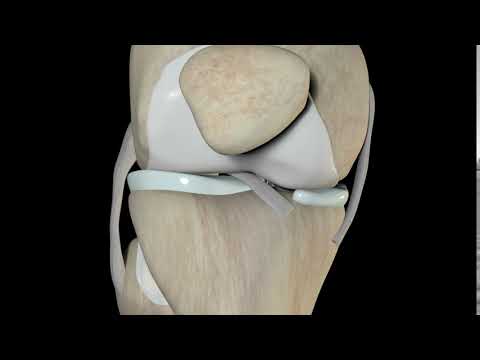
Knee joint surgery is a broad term that covers several procedures, from minor keyhole surgery to repair torn cartilage, through to full joint replacement for advanced arthritis. The right procedure depends on the specific problem in the knee, how much of the joint is affected, the patient’s age and activity goals, and whether non-surgical treatment has been tried adequately.
At Bharath Orthopaedics, knee surgery is recommended only after a thorough assessment of the joint and a clear-eyed review of what non-surgical treatment can realistically still offer. The decision is always individual, not protocol-driven.
Types of Knee Joint Surgery
Understanding the main types helps patients know what their surgeon may be considering and why one approach may suit their situation better than another.
Total Knee Replacement
Total knee replacement removes the damaged bone and cartilage surfaces of the knee joint and replaces them with precision-fitted metal and plastic components. It is the most common procedure for advanced osteoarthritis affecting the whole knee.
The implant restores smooth joint movement and relieves the chronic pain that comes from bone grinding on bone. Many modern implants last 15 to 20 years or longer. Longevity depends on age, activity level, implant type, and overall health. At Bharath Orthopaedics, total knee replacement is performed with robotic-assisted guidance and the SMART fast-track protocol, which helps many patients begin assisted walking within 4 to 5 hours of surgery, with discharge home typically by Day 2.
Partial Knee Replacement
Partial knee replacement replaces only the damaged compartment of the knee, leaving the healthy portions untouched. It is appropriate when arthritis is confined to one area of the joint and the ligaments, particularly the ACL, are intact.
Recovery is faster than total replacement and many patients report the knee feels more natural. Beyond an intact ACL, the knee must also have a near-normal correctable range of motion. A fixed flexion deformity past 15 degrees, or a rigid alignment problem, means total knee replacement is required regardless of ACL status. Robotic guidance is especially important here because precise implant positioning directly determines how well the partial replacement integrates with the remaining natural joint.
Patellofemoral Replacement
This procedure replaces only the underside of the kneecap and the groove it moves in. It is suitable for patients whose arthritis is limited to the front of the knee, with the other compartments remaining healthy.
It provides faster rehabilitation than a total replacement and preserves more of the original joint structure. Patient selection is critical. A patellofemoral replacement in a patient with more widespread arthritis will not provide lasting relief. It is also contraindicated in inflammatory arthritis such as rheumatoid arthritis. Even if symptoms appear confined to the kneecap at surgery, the systemic disease will eventually affect the rest of the joint, causing the replacement to fail.
Revision Knee Replacement
Revision knee replacement is performed when a previous implant has worn out, loosened, become unstable, or caused complications. The existing prosthesis is removed and replaced with new components.
This is a more complex procedure than a primary replacement. It requires advanced surgical planning, specialist implants, and significant experience. Patients being considered for revision surgery undergo detailed pre-operative assessment including CT imaging to understand the bone stock available and plan the reconstruction.
Importantly, the fast-track recovery milestones that apply to primary knee replacement do not apply to revision surgery. Revision cases involve scar tissue removal, bone loss reconstruction, and more extensive soft tissue work. Recovery is longer and more conservative. Patients should discuss realistic timelines for revision surgery with their surgeon rather than assuming the same pathway as a first-time replacement.
Arthroscopic Knee Surgery
Arthroscopic surgery uses a small camera inserted through a tiny incision to diagnose and treat specific mechanical problems inside the knee. It is appropriate for torn menisci causing mechanical symptoms, loose fragments in the joint, and certain ligament injuries.
One important point: arthroscopic surgery is not a treatment for knee osteoarthritis. Large clinical trials have shown it provides no better outcomes than structured physiotherapy for arthritic knees without a specific mechanical problem. If arthroscopy has been suggested for your knee pain, it is worth asking specifically what problem it is intended to fix.

When is Knee Surgery Recommended?
Surgery is not the first step for knee pain. It is considered when conservative treatment has been genuinely tried and has not provided adequate relief. Here are the key signs that surgery may be the right next step:
- Persistent pain at rest or during sleep, not just during activity
- Difficulty fully bending or straightening the knee
- Significant stiffness after sitting or waking that does not ease within 20 to 30 minutes
- Swelling or inflammation that does not settle with medication or injections
- Reduced mobility or increasing dependence on walking aids
- X-rays showing advanced joint space narrowing or bone-on-bone changes
- Conservative treatment including physiotherapy, weight management, and injections has been properly tried without adequate relief
The decision to proceed with surgery is made after a full clinical assessment, review of imaging, and an honest conversation about what surgery can and cannot achieve for that specific patient.
Non-Surgical Options to Try First
Not every patient with knee pain needs surgery. In many cases, well-structured non-surgical treatment provides meaningful and lasting relief, particularly in mild to moderate arthritis.
Physiotherapy and Exercise
Strengthening the quadriceps and hamstrings reduces the load on the joint and directly reduces pain. Research consistently shows that structured physiotherapy is one of the most effective treatments for knee osteoarthritis. The exercises need to be done consistently over several weeks before meaningful improvement is expected.
Weight Management
Every kilogram of body weight lost removes approximately four kilograms of force from the knee joint during walking. For patients who are overweight, even a modest five to ten percent reduction in body weight produces a measurable improvement in symptoms.
Medication
Anti-inflammatory medication such as ibuprofen or diclofenac manages pain and swelling during flare-ups. Topical anti-inflammatory gels are a useful alternative with fewer systemic side effects. Long-term daily use of oral NSAIDs is not recommended without medical supervision.
Injections
Corticosteroid injections reduce active inflammation in the joint and provide relief typically lasting six to twelve weeks. Hyaluronic acid injections improve joint lubrication and benefit some patients, particularly those with earlier-stage arthritis. PRP injections have mixed but growing evidence for mild to moderate osteoarthritis. They are generally considered a bridging therapy for earlier stages of joint disease and are significantly less effective for severe, advanced arthritis where bone-on-bone contact is present across the joint.
When these measures have been properly applied and the knee is still significantly limiting daily life, surgery is the appropriate next step rather than continuing indefinitely with temporary relief.
For a detailed guide on all non-surgical options and how to choose between them, read our article on alternatives to knee replacement.
Preparing for Knee Joint Surgery
Preparation before surgery directly affects how well recovery goes. Patients undergo a full medical assessment including blood tests, cardiac evaluation where needed, and standing X-rays. At Bharath Orthopaedics, robotic surgical planning also begins at this stage, using imaging to build a three-dimensional model of the patient’s knee before the day of surgery.
A period of prehabilitation, physiotherapy done before surgery, is often recommended. Patients who strengthen the muscles around the knee before the procedure recover faster afterward. Research consistently supports this.
Patients also receive detailed education about what to expect on the day of surgery and during recovery at home. Understanding the process reduces anxiety and helps patients engage with rehabilitation more effectively from the start.
What Happens After Surgery
Recovery from knee joint surgery follows a structured pathway. With the SMART fast-track protocol at Bharath Orthopaedics, the early milestones come significantly sooner than conventional surgery timelines.
Many patients are able to begin assisted walking within 4 to 5 hours of surgery. Discharge home typically happens by Day 2. Many patients are walking with minimal support by Day 10. Return to most daily activities is usual within four to six weeks. Full functional recovery, including the knee feeling natural during activity, develops over three to six months and continues to improve throughout the first year.
Physiotherapy is essential throughout recovery. The quadriceps muscle weakens both before surgery from chronic pain and after surgery due to Arthrogenic Muscle Inhibition, where the brain reflexively reduces muscle activation in response to joint swelling. Structured rehabilitation restores normal muscle patterns alongside rebuilding strength.
For a detailed week-by-week guide to recovery, read our article on recovery from knee replacement.
Knee Surgery at Bharath Orthopaedics
Dr. Bharath Loganathan has performed over 13,000 Knee replacement procedures across more than 20 years of orthopaedic practice. He specialises in knee replacement, including total, partial, and revision procedures, using robotic-assisted guidance and the SMART fast-track recovery protocol.
Bharath Orthopaedics is recognised by Outlook as a centre for robotic joint replacement in Chennai. Robotic guidance builds a high-precision three-dimensional map of the patient’s knee anatomy before surgery and provides real-time feedback during the procedure, helping improve implant positioning accuracy. Robotic systems support planning and alignment. Outcomes still depend heavily on surgical judgment, implant selection, and rehabilitation.
If you are considering knee surgery or want to understand whether surgery is the right step for your situation, a consultation at Bharath Orthopaedics will give you a clear, honest assessment.
Visit our Total Knee Replacement page for a detailed overview of the procedure, or read about the SMART Knee Replacement approach. For appointments, visit our contact page.
Key Points
- Knee joint surgery covers several procedures from minor arthroscopic repair to full joint replacement, and the right choice depends on the specific problem and how much of the joint is affected
- Total knee replacement is the most common procedure for advanced arthritis affecting the whole knee, with many implants lasting 15 to 20 years or longer depending on individual factors
- Partial knee replacement suits patients with arthritis confined to one compartment and an intact ACL, and often feels more natural than total replacement
- Arthroscopic surgery does not help arthritic knees without a specific mechanical problem. Ask what exactly it is intended to fix before agreeing to it
- Non-surgical treatment including physiotherapy, weight management, and injections should be properly tried before surgery is considered
- With the SMART fast-track protocol, many patients begin assisted walking within 4 to 5 hours and are typically discharged by Day 2
Read also: Knee Replacement Surgeons in Chennai