
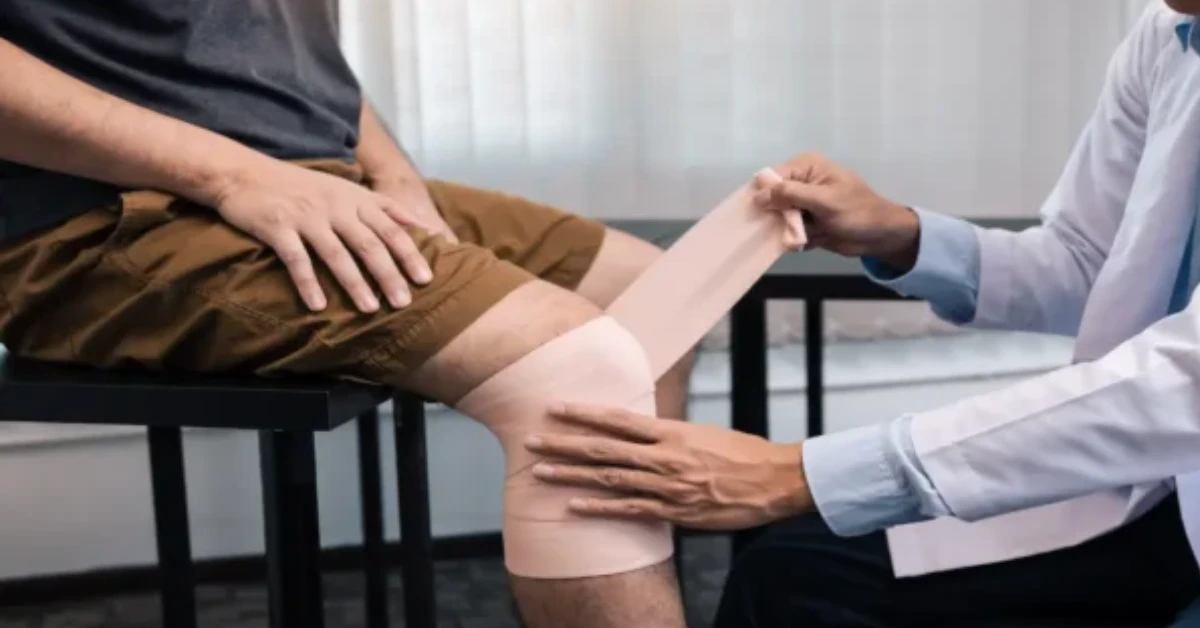
If your knee pain has started to control your life, you are not alone. A lot of people in Chennai come to us after years of managing knee pain with tablets, gels, and rest, hoping it would just go away on its own. For many, it does not. When the cartilage inside the knee wears down beyond a point, no cream or injection can bring it back.
This is where total knee replacement in Chennai gives people a real second chance. It is not a last resort filled with fear. It is a well tested, planned surgery that has helped many patients walk, climb stairs, and get back to daily activities with far less pain.
This page will walk you through what the surgery involves, who needs it, what it costs, how safe it is, and how Dr. L. Bharath’s SMART recovery pathway is designed to support patients through recovery with more confidence.
A Structured, Fast-Track Recovery Approach
Most knee replacement pages talk about the surgery. Very few talk about what happens after you leave the operation theatre, and that is often where the real difference is felt.
Dr. L. Bharath follows a structured recovery approach built around early movement and close, step by step monitoring. It starts with a thorough health check before surgery, so any risk factors are caught and managed in advance. From there, the focus shifts to getting patients standing and moving as soon as it is safe, rather than waiting days for movement to begin.
Physiotherapy is closely supervised and adjusted to each patient’s pace, and progress is checked regularly against clear, realistic goals for pain control, walking distance, and knee bending, week by week, instead of following one fixed timeline for everyone.
With tourniquet-free technique and local infiltration analgesia, many patients are supported to stand and take their first assisted steps within a few hours of surgery, on the same day, when medically appropriate. This early movement is aimed at lowering the risk of stiffness and blood clots, and helps patients feel more involved in their own recovery from day one.
What is Total Knee Replacement Surgery?
Total knee replacement surgery is a procedure where the damaged surfaces of the knee joint are removed and replaced with artificial parts made of metal and medical grade plastic. These parts are shaped to move the way a natural, healthy knee would.
It is usually suggested for people whose knee damage is severe enough to affect sleep, walking, and everyday tasks like getting up from a chair. Total knee replacement in Chennai today uses careful pre surgery planning, precise surgical technique, and guided rehabilitation, which together support a more consistent recovery for most patients.
The surgery aims to give you:
- More independence in daily life
- Real, lasting pain relief
- Better bending and straightening of the knee
- Improved walking, without needing support for long
When Should You Consider Knee Replacement Surgery?
Doctors do not recommend surgery as a first step. It is usually considered only after medicines, physiotherapy, weight management, and injections have been tried and have stopped helping.
You may want to book a consultation for knee replacement if you notice:
- Knee pain that continues even when you are resting or sleeping
- Stiffness that makes it hard to bend the knee fully
- Trouble walking, standing for long, or climbing stairs
- A visible bend or change in the shape of your leg
- A daily routine that feels smaller because you are avoiding movement
Talking to a specialist early, even if you are not sure you need surgery yet, helps you understand your options before the joint damage gets worse.
Conditions that Often Lead to Knee Replacement
- Osteoarthritis The most common reason for knee replacement. The cushioning cartilage wears away slowly over the years, leading to pain, swelling, and stiffness.
- Rheumatoid Arthritis An autoimmune condition where the body’s own immune system attacks the joint lining, causing swelling and long term joint damage.
- Post Traumatic Arthritis Damage that develops years after a fracture, ligament tear, or old injury to the knee.
- Knee Deformities Bowed legs or knock knees that have changed the way weight passes through the joint, speeding up wear.
- Severe Cartilage Loss Advanced cases where bone rubs directly against bone, causing sharp pain with every step.
Types of Knee Replacement Surgery
- Total Knee Replacement The entire surface of the knee joint is replaced. This is suggested when arthritis or damage has spread across the whole joint.
- Partial Knee Replacement Only the damaged part of the knee is replaced, keeping the healthy bone and ligaments untouched. This suits a smaller group of patients with limited damage.
- Minimally Invasive Knee Replacement Done through smaller cuts that spare more muscle, which may support less pain right after surgery and an earlier return to daily movement for the right candidates.
Your surgeon will decide the right option only after reviewing your scans, your age, your activity level, and the extent of damage.
How the Surgery is Done, Step by Step
- Evaluation before surgery Blood tests, knee X-rays or scans, and a general health check to confirm you are fit for surgery.
- Anaesthesia Either spinal or general anaesthesia is given, so you feel no pain during the procedure.
- Removing the damaged joint The worn out bone and cartilage surfaces are carefully removed.
- Placing the new joint The artificial components are fitted and aligned to match your natural leg movement.
- Closing up and starting recovery The cut is closed, and under the SMART protocol, gentle, supervised movement is often encouraged the same day, when medically appropriate.
Recovery Timeline After Knee Replacement
Day 1 to Day 3 Many patients begin standing and assisted walking with a walker within a few hours of surgery, when medically appropriate. Pain is managed with medicines, and simple bending exercises start under supervision.
Week 1 to Week 6 Regular physiotherapy sessions build strength. Most patients notice walking becomes easier and more natural each week.
Month 3 to Month 6 Strength, balance, and flexibility keep improving. Many patients return to daily routines like shopping, light travel, and household work during this period.
Sticking to the physiotherapy plan matters as much as the surgery itself. Recovery under the SMART protocol is checked at each of these stages, so problems can be caught and corrected early instead of being noticed months later.

Total Knee Replacement Cost in Chennai
One of the most common questions patients ask is about the total knee replacement cost in Chennai. The honest answer is that it depends on a few factors, and any page that gives you one fixed number without seeing your case is guessing.
| Factor | How It Affects Cost |
| Type of implant | Standard implants cost less than specialised or high flexion implants |
| Surgical approach | Robotic-assisted surgery is usually priced higher than traditional manual instrumentation |
| Surgery type | Partial replacement is usually less expensive than total replacement |
| Hospital stay | Longer stays or private rooms add to the overall cost |
| Physiotherapy | Extended rehabilitation sessions are usually billed separately |
| Any additional health conditions | Diabetes or heart conditions may need extra pre surgery tests |
Affordable knee replacement surgery in Chennai is possible without cutting corners on safety. Dr. Bharath’s team gives every patient a clear, written cost estimate after the first evaluation, so there are no surprises later. If cost is a concern, it is worth asking directly during your consultation about available options and payment support.
Is Total Knee Replacement Safe in Chennai?
This is a fair question, and it deserves a straight answer. Yes, total knee replacement surgery is safe in Chennai when it is done by an experienced surgeon, in a hospital with proper infection control, and with a patient who has been evaluated carefully beforehand.
Like any major surgery, it carries some risk. But with modern techniques, trained surgical teams, and structured protocols like SMART, complication rates are low and most patients recover well.
Safety in this surgery comes from a few things working together:
- A detailed health check up before surgery
- Careful, tested surgical technique
- Strict infection control in the operation theatre
- A supervised, step by step recovery plan afterward

Benefits and Risks You Should Know
Benefits
- Noticeable drop in knee pain
- Easier walking and daily movement
- Less dependence on family or support for basic tasks
- Joint function that lasts many years with proper care
Possible Risks
- Infection, though rare with proper precautions
- Blood clots, especially if movement is delayed
- Some stiffness in the early weeks
- Gradual implant wear after many years of use
Most of these risks are manageable and are actively reduced through the SMART protocol’s early mobility and close monitoring.
What Patients Say
“I could not sleep properly for almost two years because of my knee. After surgery with Dr. Bharath, I was up and walking with support the same day. Six months later, I go for my morning walk without any pain.” (A patient from Chennai)
“What stood out to me was how closely the team tracked my recovery every week. It did not feel like I was left to figure things out on my own after the surgery.” (A patient’s family member)
Why Choose Dr. L. Bharath for Knee Replacement Surgery
Dr. L. Bharath is an orthopaedic surgeon with over 20 years of experience, focused specifically on knee and hip replacement surgery. Patients often mention that he takes the time to explain things clearly, without rushing the conversation or using confusing medical terms.
What patients value most about his care:
- Follow up care that continues well after you leave the hospital
- A thorough check up before recommending surgery
- Clear, honest explanation of every option available
- Strong focus on safety at every stage
- A structured recovery plan through the SMART protocol
Take the Next Step
Living with knee pain every day is not something you have to accept as normal. If medicines and physiotherapy are no longer enough, total knee replacement in Chennai with Dr. L. Bharath offers a clear, well supported path back to comfortable movement.
Book a consultation to understand whether surgery is right for you, what it may cost, and how a structured, fast-track recovery approach can help you recover with confidence.