
Strong bones are the foundation of mobility, independence, and quality of life. Yet in a country blessed with year-round sunshine, bone disease is quietly epidemic. Clinical observations from orthopaedic centres across Chennai and Bangalore reveal a troubling pattern: patients are arriving with fractures, knee degeneration, and spinal compression a full decade earlier than previous generations.
The good news is that the solution often lies not in the medicine cabinet, but in the traditional kitchen. Indian cuisine already contains a wealth of bone-building superfoods ragi, sesame seeds, moringa leaves, paneer, lentils, and fatty fish that have supported skeletal health for centuries. The challenge today is knowing how to use them strategically.
This guide merges nutritional science with clinical insight from Dr. Bharath Loganathan to give you a complete, practical roadmap for building and maintaining strong bones through Indian food at every age and life stage.
Why are Indians Facing Weaker Bones Earlier?
It is a medical irony that in one of the sunniest countries on earth, nearly 80% of Indian adults are Vitamin D deficient. Several modern lifestyle shifts are responsible:
- The Indoor Shift: Desk-bound, air-conditioned office environments mean most Indians rarely get the 15–20 minutes of midday sun required for natural Vitamin D synthesis.
- Refined Diets: The shift away from traditional millets like ragi and bajra toward polished white rice has stripped daily meals of essential magnesium and calcium.
- High Salt Intake: Popular savory snacks, pickles, and papads are high in sodium, which causes the body to excrete calcium through urine quietly depleting bone stores.
- Caffeine Culture: More than 3–4 cups of tea or coffee daily interferes with how the body absorbs and retains calcium.
- Sedentary Lifestyles: Weight-bearing activity is the signal that tells bones to stay dense. Without it, bone loss accelerates, particularly after age 30.
Dr. Bharath Loganathan, MS Ortho, MRCS: “The patients who come to me for knee replacement in their 50s almost universally share one pattern they stopped paying attention to calcium and Vitamin D in their 30s, when it still mattered most. Building your bone bank early is the single most powerful thing you can do to stay off the operating table.”
Bone Health in India: Key Facts
How Bones Change With Age
- Childhood and adolescence: Rapid bone growth adequate nutrition is critical during these years.
- Late 20s: Peak bone mass is achieved. This is your lifetime high-water mark.
- After age 30: Bone breakdown gradually begins to outpace bone formation.
- Post-menopause / Over 60: Estrogen loss (women) and hormonal changes (men) dramatically accelerate bone loss.
Common Signs of Weak Bones
- Frequent fractures from minor falls or injuries
- Chronic back pain or spinal discomfort
- Stooping posture or visible height reduction
- Persistent joint weakness and slow recovery from sprains
- Muscle cramps, weak nails, fatigue, and tingling in extremities
Essential Nutrients for Strong Bones
Bone strength is a team effort. Calcium alone is not enough it requires a full supporting cast of nutrients to be absorbed, directed to bones, and used effectively.
Calcium the Structural Foundation
Calcium is the primary mineral that makes bones hard and dense. Most Indians consume far less than the recommended daily amount.
| Age Group | Daily Calcium Requirement |
|---|---|
| Children (4–8 years) | 700–1,000 mg |
| Teenagers (9–18 years) | 1,300 mg |
| Adults (19–50 years) | 1,000 mg |
| Women over 50 | 1,200 mg |
| Seniors (60+) | 1,200 mg |
Vitamin D the Absorption Gatekeeper
Vitamin D is the key that unlocks calcium absorption in the gut. Without it, even a calcium-rich diet cannot fully build bone density. Most adults need 600–800 IU daily. Symptoms of deficiency include bone pain, muscle weakness, fatigue, and frequent illness.
Best source: 15–30 minutes of direct sunlight (ideally between 11 AM and 1 PM) several times per week. Dietary sources include fatty fish, egg yolks, fortified milk, and mushrooms.
Vitamin K2 the Traffic Director
Vitamin K2 ensures calcium goes into bones rather than depositing in arteries. Best sources: fermented foods, egg yolks, and leafy greens like spinach, moringa, and methi.
Magnesium the Activator
Magnesium helps convert Vitamin D into its active form and regulates calcium balance in the body. Found in almonds, seeds, legumes, whole grains, and leafy vegetables.
Protein the Structural Scaffold
Bones are approximately 30% protein by weight. Protein provides the collagen matrix into which calcium minerals are embedded. Vegetarian sources include lentils, chickpeas, tofu, paneer, and dairy. Non-vegetarian sources include fish, eggs, and chicken.
Phosphorus the Partner Mineral
Phosphorus combines with calcium to create hydroxyapatite, the crystalline compound that gives bone its hardness. Found in dairy, fish, pulses, nuts, and seeds.
Top 15 Indian Foods for Strong Bones
1. Ragi (Finger Millet) The Undisputed Champion
Ragi contains approximately 344 mg of calcium per 100g nearly three times more than milk. It is lactose-free, gluten-free, vegan-friendly, and affordable. Sprouting ragi before cooking significantly increases calcium bioavailability.
- Best ways to eat: Morning porridge with milk and jaggery, ragi dosa, ragi roti, ragi malt
- Pro tip: Sprouted ragi flour has better mineral absorption than unsprouted
2. Sesame Seeds (Til) Highest Calcium of Any Common Food
Sesame seeds contain an extraordinary 975 mg of calcium per 100g, making them the richest natural plant-based calcium source in the Indian kitchen. They are also beneficial for knee pain and joint lubrication.
- Best ways to eat: Traditional til laddoos with jaggery, chutneys, sprinkled over salads, mixed into chapati dough
- Pro tip: Roasting slightly improves digestibility
3. Moringa Leaves (Drumstick Leaves) The Alkaline Powerhouse
Moringa leaves contain approximately 440 mg of calcium per 100g alongside iron, Vitamin K, and anti-inflammatory compounds that help reduce bone inflammation. A cornerstone of South Indian cuisine.
- Best ways to eat: Moringa poriyal, added to dal or sambar, drumstick leaf powder in warm water or chapati dough, drumstick pod curry
4. Milk
Milk provides calcium (~120 mg/100ml), protein, phosphorus, and is often fortified with Vitamin D. Its calcium is highly bioavailable easily absorbed by the body. Best consumed in the morning or at bedtime.
5. Curd (Yogurt)
Curd provides approximately 150 mg calcium per 100g and is enhanced by probiotics that improve gut absorption of minerals. Consume at room temperature (not straight from the refrigerator) for maximum probiotic benefit. Fortified curd can fulfil approximately 20% of daily Vitamin D needs.
6. Paneer (Cottage Cheese)
Paneer delivers a powerful combination of calcium (~200 mg/100g) and high-quality protein, making it ideal for both bone structure and muscle support. A 50–100g daily serving contributes significantly to calcium requirements.
- Best ways to eat: Lightly grilled or added to curries. Avoid deep-frying, which adds fat without improving calcium content.
- For fracture recovery: The calcium-protein combination directly supports the bone repair process.
7. Almonds
Almonds provide magnesium and Vitamin E, which help fix calcium into the bone matrix. A handful (8–10 almonds) daily supports both bone and heart health.
- Pro tip: Soak overnight before eating. Soaking removes phytic acid, which can otherwise block mineral absorption.
8. Soybeans and Tofu
Calcium-set tofu provides approximately 350 mg calcium per 100g, making it one of the richest plant sources. Soy also contains isoflavones plant compounds that weakly mimic estrogen and have been shown to slow bone loss in post-menopausal women. Excellent for the lactose intolerant.
9. Amaranth Leaves (Rajgira Saag)
Amaranth leaves contain approximately 215 mg calcium per 100g alongside iron and Vitamin K. Amaranth grain is also naturally gluten-free and exceptionally high in calcium. Use in stir-fries, curries, and dal preparations.
10. Fenugreek Leaves (Methi)
Methi provides calcium, magnesium, and antioxidants. Vitamin K in methi helps direct calcium to bones rather than arteries. Use in parathas, dal, and sabzi preparations.
11. Spinach
Spinach offers Vitamin K (essential for bone mineralization) and magnesium. Lightly sauté rather than boil to preserve water-soluble vitamins. Combine with a Vitamin C source like lemon or tomatoes to improve mineral absorption.
12. Chickpeas (Chana)
Chickpeas are rich in plant-based protein, magnesium, phosphorus, and manganese supporting both bone maintenance and the surrounding muscle strength that protects joints. Use in chaat, curry, or roasted as a snack.
13. Lentils (Dal)
The cornerstone of the Indian vegetarian diet, lentils provide protein, magnesium, and phosphorus. Moong dal, masoor dal, urad dal, and toor dal each contribute to daily bone-supporting nutrient targets.
14. Sardines and Small Fish (with Bones)
Sardines and small fish eaten with their bones are among the best non-vegetarian sources of both calcium and Vitamin D. Traditional preparations that include the soft bones provide a highly bioavailable calcium boost that rivals or exceeds dairy.
15. Mackerel (Bangda) and Fatty Fish
Mackerel, salmon, and rohu provide Vitamin D, omega-3 fatty acids, and high-quality protein. Omega-3s help reduce bone-eroding inflammation and support overall joint and bone density. Particularly recommended for women post-menopause.
Indian Foods Ranked by Calcium Content
| Food | Calcium (per 100g) | Category |
|---|---|---|
| Sesame Seeds | ~975 mg | Seeds |
| Moringa Leaves | ~440 mg | Leafy Green |
| Tofu (calcium-set) | ~350 mg | Soy Product |
| Ragi (Finger Millet) | ~344 mg | Millet |
| Amaranth Leaves | ~215 mg | Leafy Green |
| Paneer | ~200 mg | Dairy |
| Curd (Yogurt) | ~150 mg | Dairy |
| Milk | ~120 mg/100ml | Dairy |
Ragi vs Milk: Which Is Better for Bones?
This is one of the most common debates in Indian households. The answer is: use both, not one.
| Nutrient (per 100g) | Ragi (Finger Millet) | Milk (Cow’s) |
|---|---|---|
| Calcium | ~344 mg | ~120 mg |
| Protein | Moderate | Higher |
| Vitamin D | Very low | Often fortified |
| Bioavailability | Moderate (improved by sprouting) | High (easily absorbed) |
| Lactose-free | Yes | No |
| Vegan-friendly | Yes | No |
Best strategy: Combine both. Ragi porridge made with milk is a calcium-dense super-meal that delivers high quantity (ragi) and high bioavailability (milk) in a single bowl.
Indian Food for Bone Fracture Healing
When a bone breaks, the body enters an emergency nutritional state demand for calcium, protein, Vitamin C, and anti-inflammatory compounds spikes. Your diet plays a direct clinical role in each stage of healing.
Anti-Inflammatory First Response
Turmeric contains curcumin, which helps manage the initial swelling of a fresh fracture. Warm turmeric milk (haldi doodh) is a time-tested tradition for good clinical reason.
Protein for the Healing Scaffold
The structural framework of a healing bone is made of collagen. Lentils, paneer, eggs, and chicken ensure the body has the amino acids needed to build this new bridge. Eggs are particularly recommended for their combined Vitamin D and protein content.
Vitamin C for Collagen Production
Without Vitamin C, the body cannot produce the collagen matrix that healing bones require. Guava, citrus fruits, and amla are excellent daily sources during recovery.
Mineral-Rich Broths and Soups
Bone broth or drumstick (moringa pod) soup provides a direct, easily absorbed infusion of collagen, calcium, and trace minerals ideal for patients with reduced appetite during recovery.
Post-Surgery Nutrition: Patients recovering from joint replacement surgery have heightened protein and calcium needs. Dr. Bharath consistently recommends ragi, paneer, eggs, and drumstick-based foods during orthopaedic rehabilitation.
Best Indian Foods for Women’s Bone Health
Women face a significantly higher lifetime risk of osteoporosis than men due to hormonal changes at menopause. A targeted approach at each life stage is essential.
During Reproductive Years (20s–40s)
Focus on calcium-dense foods ragi, paneer, curd paired with Vitamin K-rich greens like spinach, methi, and moringa. Iron-rich legumes such as horse gram and chickpeas also support the hormonal environment that keeps bones dense.
During Pregnancy and Lactation
The baby draws calcium directly from the mother’s skeletal reserves. Increasing ragi consumption, adding moringa leaves to dal, and ensuring 15–20 minutes of daily sunlight become especially important. Sesame seed chutneys and til laddoos are traditional foods that serve this purpose effectively.
Post-Menopause (50 and Above)
Estrogen loss is the primary driver of bone loss at this stage. Soy milk and tofu contain isoflavones plant compounds that weakly mimic estrogen and have demonstrated benefits in slowing bone loss. Combined with calcium-rich foods and regular weight-bearing exercise, these can meaningfully slow density decline.
Medical recommendation: A DEXA scan every 2 years is advisable for women from age 50 onward to catch bone density loss before it becomes a fracture risk.
Best Indian Foods by Age Group
| Age Group | Priority Foods | Key Focus |
|---|---|---|
| Children & Teens | Milk, curd, paneer, ragi, eggs, fruits | Build peak bone mass |
| Adults (20–50) | Ragi, dal, sesame, tofu, leafy greens, fish | Maintain bone density |
| Women over 40 | Soy, ragi, moringa, paneer, sardines | Offset hormonal bone loss |
| Seniors (60+) | Curd, dal, paneer, fish, cooked greens | Easy-to-digest, high calcium |
7-Day Indian Meal Plan for Strong Bones
Vegetarian Meal Plan
Breakfast options (rotate daily)
- Ragi porridge with milk, jaggery, and 8–10 soaked almonds
- Paneer stuffed paratha with curd
- Amaranth (rajgira) porridge with nuts
- Ragi dosa with coconut-sesame chutney
Lunch options
- Dal (urad/toor) + roti + moringa sabzi + curd
- Rajma with brown rice + spinach stir-fry
- Chickpea salad bowl with lemon, tomatoes, and coriander
- Soybean curry + millet roti + amaranth leaves stir-fry
Dinner options
- Paneer bhurji + chapati + vegetable soup
- Ragi roti + mixed dal + cooked methi
- Tofu stir-fry with sesame + millet khichdi
Snacks
- Roasted chana or a handful of sesame-jaggery chikki
- Curd with seasonal fruit and roasted sesame sprinkle
- Til laddoo (sesame-jaggery ball)
Non-Vegetarian Meal Plan
Breakfast options
- 2 eggs (any style) with a glass of fortified milk
- Egg dosa with tomato chutney
Lunch options
- Fish curry (sardines or mackerel) with rice + drumstick sambar
- Egg curry + ragi roti + curd
Dinner options
- Grilled mackerel or salmon + dal + salad with lemon dressing
- Fish head curry (rich in calcium) + brown rice + sautéed spinach
Snacks
- Curd and roasted nuts
- Boiled egg with a pinch of turmeric
Bone Health Myths vs Facts
| Common Myth | The Fact |
|---|---|
| Only older adults need to worry about calcium | Calcium is critical at every age especially during the bone-building years before 30 |
| Milk is the only good calcium source | Ragi, sesame seeds, tofu, moringa, and amaranth all rival or exceed milk’s calcium content |
| Bone loss is inevitable and unavoidable | Healthy diet, exercise, and adequate Vitamin D can significantly slow bone loss at any age |
| Exercise weakens already fragile bones | Weight-bearing exercise is one of the most powerful stimuli for building and maintaining bone density |
| Supplements are all you need | Supplements support but cannot replace dietary calcium, which is better absorbed and utilized |
Foods and Habits that Weaken Bones
Even the best bone-healthy diet can be undermined by bone robbers foods and habits that deplete calcium and impair bone formation:
- Excess salt (heavy pickles, papads, processed snacks): increases calcium excretion through urine
- Carbonated soft drinks: phosphoric acid in colas can leach calcium from bones
- Refined sugar: high intake increases urinary excretion of vital minerals
- Excess caffeine (4+ cups/day): increases calcium loss; offset by adding milk to tea
- Excess alcohol: impairs bone-forming cells (osteoblasts)
- Smoking: directly reduces bone density over time
- Sedentary lifestyle: without weight-bearing activity, bones receive no stimulus to stay dense
- Highly processed foods: nutrient-poor and often high in sodium and phosphate additives
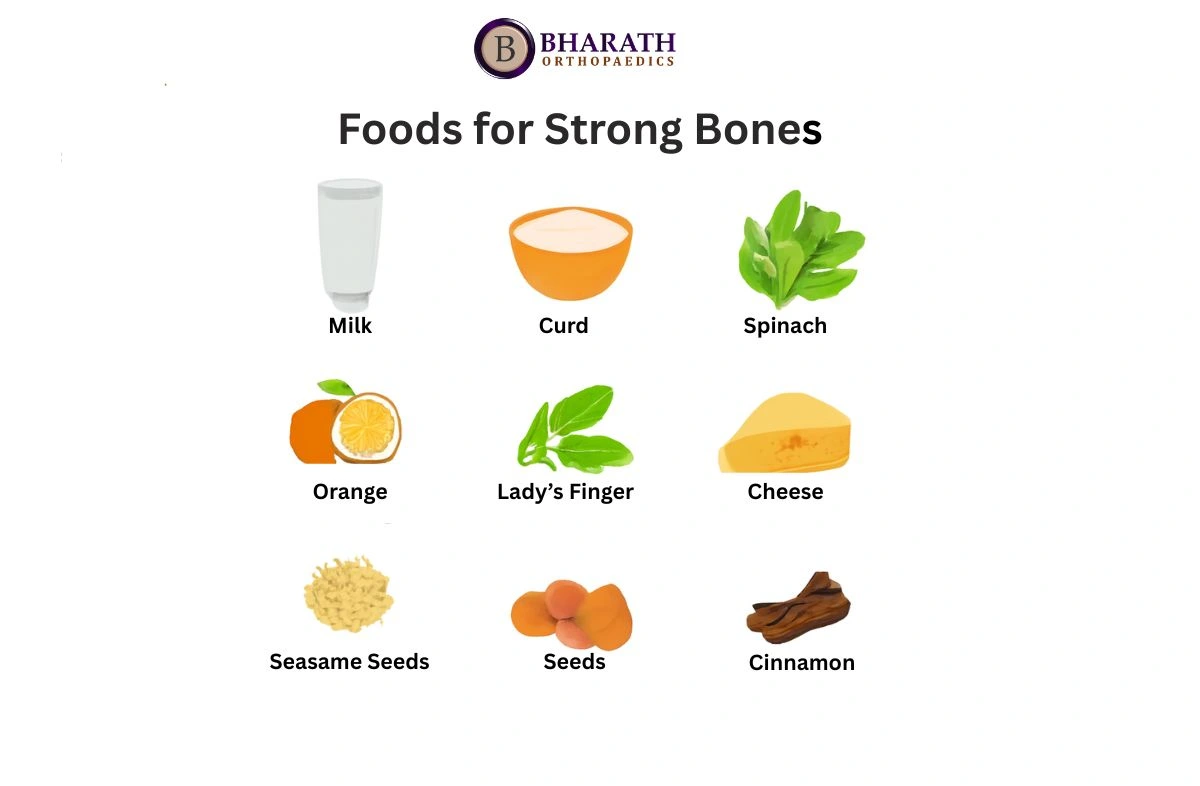
Lifestyle Habits to Strengthen Bones Naturally
Weight-Bearing Exercise
Walking, jogging, stair climbing, and dancing all signal the skeleton to maintain and build density. Aim for at least 30 minutes most days.
Strength Training
Resistance training with weights or bodyweight builds both muscle and bone. Particularly important for women approaching menopause.
Yoga for Bone Health
- Vrikshasana (Tree Pose): improves balance and bone loading through single-leg stance
- Virabhadrasana (Warrior Pose): builds lower limb bone strength
- Setu Bandhasana (Bridge Pose): strengthens spinal bones and hip extensors
Sunlight Exposure
Aim for 15–30 minutes of direct sunlight ideally between 11 AM and 1 PM when UVB is strongest several times per week.
Posture Awareness
Maintaining a straight spine prevents micro-stress fractures on vertebrae and reduces the chronic back pain associated with early bone loss.
Regular Screening
A DEXA scan is recommended for women post-menopause and men over 60 to detect density loss before it becomes a fracture. Individuals with prior fractures or a strong family history should screen earlier.
Clinical Perspective: Dr. Bharath Loganathan
As an orthopaedic surgeon who has performed over 13,000 Knee replacement surgeries in Chennai, Dr. Bharath Loganathan sees firsthand how decades of nutritional neglect manifest as knee degeneration, hip fractures, and spinal compression in patients across all age groups.
His clinical recommendations include:
- Regular DEXA screening: For women post-menopause and men over 60 to catch density loss before it becomes a fracture risk.
- Early intervention: Building peak bone mass before age 30 is the most effective long-term defense against osteoporosis.
- Targeted supplementation: When blood tests reveal severe Vitamin D or calcium deficiency, supervised supplementation alongside dietary changes gives the best outcomes.
- Post-surgery nutrition: Patients recovering from joint replacement have heightened protein and calcium needs. Ragi, paneer, eggs, and drumstick-based foods are consistently recommended during rehabilitation.
For personalized bone health assessment, consult Dr. Bharath Loganathan at Bharath Orthopaedics, Kilpauk, Chennai. Appointments: 044 4799 2728 | +91 96627 36666
