
Hand cramping can be a painful and inconvenient experience for many people. Whether you’re typing on a computer all day, playing a musical instrument, or simply using your hands for everyday tasks, cramping can make it difficult to perform even the simplest of tasks. But what exactly causes for cramping hands and how can you relieve it? In this blog, we’ll explore the 10 common causes of hand cramping and how to relieve them.
Causes of Hand Cramping
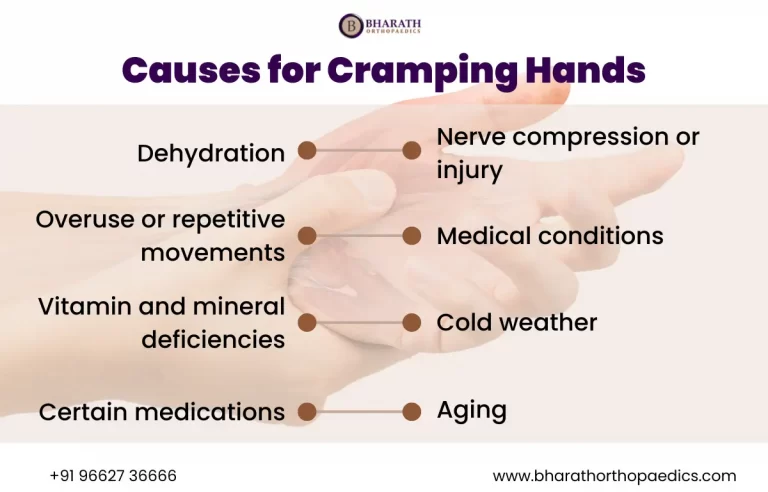
Hand cramping is often caused by muscle fatigue, dehydration, or overuse from repetitive movements. It can also result from poor circulation or nerve compression. In some cases, underlying conditions like arthritis or carpal tunnel syndrome may contribute.
Overuse or Repetitive Motion
Overuse or repetitive motions are causes for cramping hands. This occurs when you use your hands for a prolonged period of time without taking breaks. For example, typing on a computer all day or playing a musical instrument for hours can cause hand cramping. To relieve hand cramping from overuse or repetitive motions, it’s important to take breaks and stretch your hands regularly. You can also try using ergonomic tools or braces to reduce stress on your hands.
Dehydration
Dehydration can also lead to causes for cramping hands. When your body is dehydrated, it doesn’t have enough fluids to perform its normal functions, including contracting and relaxing your muscles. To prevent hand cramping from dehydration, make sure to drink plenty of water throughout the day.
Electrolyte Imbalances
Electrolyte imbalances can also causes for cramping hands. Electrolytes are minerals in your body that help regulate muscle function. When you don’t have enough of these minerals, your muscles can cramp. To prevent hand cramping from electrolyte imbalances, make sure to eat a balanced diet that includes plenty of fruits, vegetables, and whole grains.
Vitamin and Mineral Deficiencies
Vitamin and mineral deficiencies can also cause hand cramping. For example, a deficiency in calcium, magnesium, or potassium can lead to hand cramping. To prevent hand cramping from vitamin and mineral deficiencies, make sure to eat a balanced diet that includes plenty of fruits, vegetables, and whole grains. You can also take a daily multivitamin to make sure you’re getting all the nutrients your body needs.
Arthritis (Causes for Cramping Hands)
Arthritis can also causes for cramping hands. Arthritis is a condition that causes inflammation and pain in your joints, including your hands. To relieve hand cramping from arthritis, try using a heating pad or taking over-the-counter pain relievers. You can also try physical therapy or occupational therapy to improve hand function and relieve pain.
Nerve Injuries or Conditions
Nerve injuries or conditions can also cause hand cramping. For example, a pinched nerve or carpal tunnel syndrome can lead to hand cramping. To relieve hand cramping from nerve injuries or conditions, try using a brace or splint to reduce pressure on the affected nerve. You can also try physical therapy or occupational therapy to improve hand function and relieve pain.
Carpal Tunnel Syndrome
Carpal Tunnel Syndrome (CTS) is a common cause of hand cramping, especially among those who engage in repetitive motions, such as typing or playing musical instruments. CTS occurs when the median nerve, which runs from the forearm to the hand, becomes compressed, leading to pain and weakness in the hand.
Tendinitis
Tendinitis is another common cause of hand cramping, especially among athletes and manual laborers. Tendinitis occurs when the tendons that attach muscles to bones become inflamed, leading to pain and weakness in the hand.
Tenosynovitis
Tenosynovitis is a condition that affects the sheaths that surround the tendons in the hand, leading to pain, swelling, and weakness in the hand. This condition is often seen in manual laborers and athletes who engage in repetitive motions.
Dystonia
Dystonia is a neurological condition that causes muscle contractions and cramping in various parts of the body, including the hand. Dystonia can be caused by a variety of factors, including genetic mutations, brain injuries, and certain medications.
Left Hand Cramping and Right Hand Cramping – What Does It Mean?
Hand cramping can affect either the left hand, right hand, or both. In many cases, the side of the cramp gives a clue about the cause. Some people experience cramps due to simple muscle fatigue, while others may have underlying nerve or circulation-related issues. Paying attention to which hand is affected and how often it happens can help identify the reason early.
Left Hand Cramping
Left hand cramping may be linked to muscle strain, nerve pressure, or reduced blood flow. It can also occur due to issues in the neck or shoulder that affect the nerves supplying the left arm. Occasional cramps are usually not serious, but frequent episodes should be evaluated.
Common causes include:
- Muscle fatigue from repetitive activities
- Nerve compression in the neck (cervical spine problems)
- Poor blood circulation
- Low levels of essential minerals like calcium or potassium
- Stress-related muscle tightness
Right Hand Cramping
Right hand cramping is often related to overuse, especially in people who use their dominant hand for daily tasks. Activities like typing, writing, or holding a phone for long periods can strain the muscles and tendons. It may also be associated with certain nerve conditions.
Common causes include:
- Repetitive hand movements (typing, writing, lifting)
- Carpal tunnel syndrome (pressure on the wrist nerve)
- Dehydration or electrolyte imbalance
- Tendon inflammation due to overuse
- Poor hand posture during daily activities
When Should You Be Concerned?
Hand cramps are usually temporary, but certain signs may indicate a more serious issue.
Seek medical advice if you notice:
- Frequent or worsening cramps
- Numbness or tingling in the fingers
- Weakness or difficulty holding objects
- Pain spreading to the arm, neck, or shoulder
Early attention can help identify the cause and prevent long-term problems.
Everyday Activities That Trigger Hand Cramps
Hand cramps are involuntary muscle contractions that can cause sudden stiffness, pain, or discomfort in the hand. Several common daily activities can unknowingly trigger these cramps, especially when muscles and tendons are overworked, strained, or not given enough time to rest. The Causes for Cramping Hands often involve repetitive tasks, poor ergonomics, and improper hand positioning during various activities. Here are some detailed examples:
- Typing and Computer Use: Long hours spent typing on a keyboard or using a mouse without proper hand positioning often leads to repetitive strain. The muscles in the fingers and wrists may tighten due to continuous small movements without breaks, resulting in hand cramps.
- Using Smartphones and Tablets: Extended texting or gaming sessions cause repetitive thumb and finger movements. Holding devices for prolonged periods without changing grip positions is one of the overlooked Causes for Cramping Hands.
- Writing or Drawing: Writers, students, and artists who grip pens or pencils tightly for prolonged periods may experience cramping. Without frequent stretching or relaxing the hand, muscle fatigue develops, leading to spasms.
- Lifting or Carrying Heavy Objects: Manual labor, such as lifting grocery bags, suitcases, or tools, strains the hand muscles. Carrying weight without proper grip support is among the common causes of hand pain, leading to fatigue and cramps.
- Playing Musical Instruments: Musicians, especially pianists, guitarists, and violinists, use repetitive finger movements and sustained hand positions. Without regular stretching, these activities become significant common causes of hand pain and cramping.
- Sports Activities: Sports like tennis, badminton, and rock climbing involve gripping equipment tightly. Overexertion during these activities can fatigue the hand muscles, triggering spasms or cramps.
How are Hand Cramps Treated?
Treating hand cramps involves a combination of self-care practices, physical therapies, and in some cases, medical interventions. The treatment approach depends on the underlying cause and the severity of the cramps. Understanding How to relieve hand cramps effectively ensures faster recovery and prevents recurrence.
- Stretching and Relaxation Exercises: Gentle stretching of the hand muscles helps release tension. Practicing hand-opening and finger-extending stretches several times a day is a simple method How to relieve hand cramps in mild cases.
- Hydration and Nutrition: Dehydration and electrolyte imbalances are often overlooked Causes for Cramping Hands. Ensuring adequate water intake and consuming potassium-, magnesium-, and calcium-rich foods can reduce the risk of muscle spasms.
- Warm Compresses and Massage: Applying warm compresses to the hands relaxes the muscles, while gentle massage improves blood circulation and eases stiffness. This approach is especially helpful after repetitive tasks.
- Rest and Activity Modification: Taking frequent breaks during repetitive activities prevents muscle overuse. Modifying hand positions and reducing the intensity or duration of tasks are essential for relieving strain on the muscles.
- Medications and Therapies: In persistent or severe cases, doctors may recommend anti-inflammatory medications, muscle relaxants, or occupational therapy. These interventions target chronic common causes of hand pain, such as arthritis or nerve compression.
- Ergonomic Adjustments: Using ergonomic keyboards, cushioned grips, or wrist supports during work activities minimizes strain. This is a preventive measure in learning How to relieve hand cramps for people with daily repetitive hand tasks.
Conclusion
Hand cramping can be a painful and frustrating experience, but understanding the underlying causes can help to find effective relief. From overuse and repetitive motions to more serious underlying conditions such as arthritis or nerve injuries, there are many different causes for cramping hands. Treatment options vary depending on the cause but may include rest, ice, pain relievers, physical therapy, and in severe cases.
Read also: Knee Arthroscopy Recovery Time