
Reviewed by Dr. Bharath Loganathan, MS Ortho, MRCS (Edinburgh), DNB Orthopaedics Bharath Orthopaedics, Chennai Last reviewed: June 2026
If you have been dealing with knee pain for more than a few weeks, there is a good chance someone has told you to try physiotherapy. That is sound advice in most cases. But many patients start physiotherapy without really understanding what it involves, what it is trying to achieve, or how long it takes to work.
This guide answers those questions clearly. It is for people just starting physiotherapy and for those who have been doing exercises for a while without seeing the improvement they expected.
What is Physiotherapy for Knee Pain?
Physiotherapy for knee pain is a structured programme of exercises and manual therapy techniques. It is designed to reduce pain, rebuild strength in the muscles around the knee, and restore the range of motion needed for daily activities.
It is not just a set of exercises you do in a clinic once a week. The exercises done at home between sessions are equally important, sometimes more so. The formal sessions provide guidance, correction, and progression. The home programme is where the actual strengthening happens.
Physiotherapy works best when it is tailored to the specific cause of the knee pain. What is appropriate for someone recovering from ACL surgery is different from what helps a 65-year-old with osteoarthritis. A thorough assessment at the start of treatment makes sure the programme matches the condition.
When Does Physiotherapy Help?
Physiotherapy is appropriate for a wide range of knee conditions. Doctors typically recommend it in the following situations.
When knee pain has persisted beyond two to three weeks and is not improving with rest alone, structured rehabilitation is usually the next step.
After a knee injury including ligament sprains, meniscal tears, and tendon injuries, physiotherapy restores strength and stability to the joint before returning to activity.
For knee osteoarthritis, physiotherapy is one of the most evidence-based treatments available. Strengthening the quadriceps and hamstrings reduces the load on damaged cartilage, which directly reduces pain. For patients who are overweight, even modest weight reduction can significantly reduce stress across the knee joint and improve symptoms alongside physiotherapy. The full benefit often accumulates gradually over several months with ongoing strengthening and activity modification.
Before knee replacement surgery, a period of physiotherapy strengthens the muscles around the joint. Research consistently shows that patients who go into surgery stronger recover faster afterward.
After knee replacement surgery, physiotherapy is essential. The quadriceps muscle weakens significantly both before surgery due to pain and after surgery due to a phenomenon called Arthrogenic Muscle Inhibition. This is where the brain reflexively reduces activation of the quad muscle in response to joint swelling and pain. It is not simply a matter of the muscle being weak from disuse. The brain is actively suppressing it as a protective response. Structured physiotherapy helps restore normal muscle activation patterns alongside rebuilding physical strength.
Patellofemoral pain is pain behind or around the kneecap that worsens with stairs and prolonged sitting. Specific quad strengthening and hip strengthening exercises are highly effective for this condition and often resolve it entirely without any other treatment.
What Does a Physiotherapy Assessment Involve?
The first session focuses primarily on assessment rather than exercise.
A good physiotherapist will assess your range of motion, the strength of key muscle groups including the quadriceps, hamstrings, and hip abductors, and how you walk and load the joint. They will also look at posture, alignment, proprioception (your knee’s ability to sense its own position in space), and functional movement patterns that may be contributing to the problem.
At a specialist orthopaedic centre, this assessment goes beyond basic strength testing. Proprioception is often reduced after knee injury or in osteoarthritis, and targeting it specifically in rehabilitation improves balance, joint stability, and confidence in the knee during everyday movement.
This assessment shapes the programme that follows. A programme built on a proper assessment produces better results than a generic set of knee exercises, because the exercises target the specific deficits driving the problem.
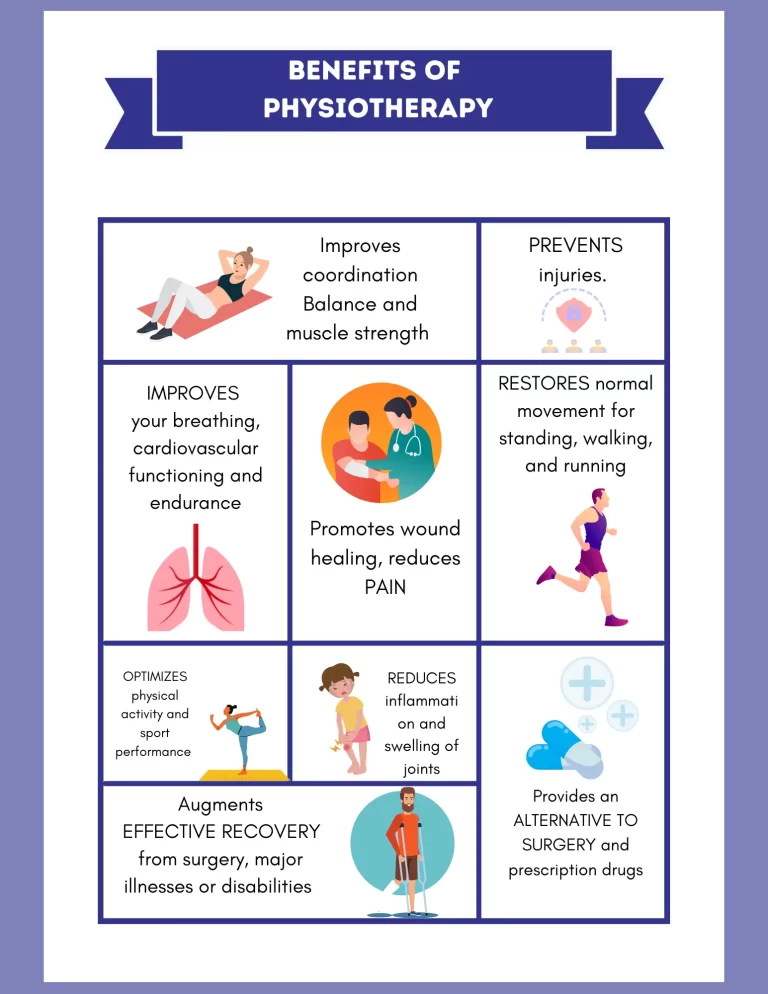
The Core Exercises Used in Knee Physiotherapy
These are the exercises most commonly prescribed for knee pain rehabilitation. They are described here so you understand their purpose, not as a replacement for guided physiotherapy.
Mild discomfort during strengthening exercises is common and does not necessarily mean damage is occurring. However, sharp pain, significant swelling, or symptoms that worsen after a session should be discussed with your physiotherapist before continuing.
Straight Leg Raises
Lie on your back with one knee bent and the other leg straight. Keep your lower back flat against the floor throughout. Tighten the quad on the straight leg and lift it to the height of the bent knee. Hold for two seconds and lower slowly.
This strengthens the quadriceps while placing minimal stress on the knee joint. It is one of the safest exercises to start with early in rehabilitation.
Wall Squats
Stand with your back flat against a wall and slide down to a comfortable angle, feet slightly forward. Hold for five to ten seconds and return to standing.
This strengthens the quadriceps and glutes in a controlled way. The wall helps maintain controlled movement and proper alignment during the exercise.
Step-Ups
Stand in front of a low step. Step up with the affected leg, bring the other leg up, then step back down slowly. Focus on the lowering phase, bringing the foot back down under control. This eccentric phase of the movement, where the muscle lengthens while under load, is where most of the strengthening benefit comes from.
Bridge Exercise
Lie on your back with knees bent and feet flat on the floor, hip-width apart. Press through your heels to lift your hips until your body forms a straight line from shoulders to knees. Hold for two seconds and lower slowly.
This strengthens the glutes and hamstrings, which support the knee from behind. Weak glutes are a contributing factor in many types of knee pain.
Stationary Cycling and Swimming
These are not formal physiotherapy exercises but they complement the programme well. Both are low-impact activities that keep the muscles working and maintain cardiovascular fitness without loading the joint heavily. They are particularly valuable for patients with osteoarthritis who need to stay active between physiotherapy sessions.
How Long Does Physiotherapy Take to Work?
The honest answer depends on what is causing the pain and how consistently the exercises are done.
For mild soft tissue injuries and patellofemoral pain, meaningful improvement typically occurs within four to six weeks of consistent rehabilitation.
For osteoarthritis, the timeline is longer. Most patients notice genuine improvement in pain and function after six to twelve weeks of consistent physiotherapy. The full benefit often accumulates gradually over several months with ongoing strengthening and activity modification.
For post-surgical rehabilitation, the timeline follows the surgical recovery pathway. After knee replacement, formal physiotherapy typically runs for three months, with home exercises continuing beyond that.
The single most common reason physiotherapy does not work is inconsistency. Doing the exercises only during formal sessions does not produce the same results as following the programme every day. Consistent progressive loading is essential for meaningful muscle strengthening and symptom improvement.
When Physiotherapy is Not Enough
Physiotherapy is appropriate for a wide range of knee conditions and is usually recommended in these situations.
Knee pain that has not improved after two to three weeks of rest needs structured rehabilitation rather than continued waiting.
After injuries including ligament sprains, meniscal tears, and tendon damage, physiotherapy restores strength and stability before returning to activity.
For knee osteoarthritis, it is one of the most evidence-based treatments available. Strengthening the quadriceps and hamstrings reduces load on damaged cartilage and directly reduces pain. For patients who are overweight, even modest weight reduction alongside physiotherapy significantly improves symptoms. Full benefit builds gradually over several months.
Before knee replacement, pre-surgical physiotherapy strengthens the muscles around the joint. Patients who go into surgery stronger consistently recover faster.
After knee replacement, physiotherapy is essential. The quad weakens both before surgery from chronic pain and after surgery due to Arthrogenic Muscle Inhibition, where the brain reflexively suppresses muscle activation in response to joint swelling. Structured rehabilitation restores normal activation patterns alongside rebuilding strength.
For patellofemoral pain behind the kneecap, targeted quad and hip strengthening exercises are highly effective and often resolve the problem entirely without further treatment.
Conclusion
At Bharath Orthopaedics, physiotherapy is part of a complete care pathway. For most patients with knee pain, it is the first and most important treatment. For those who need surgery, structured rehabilitation before and after the procedure directly influences how well and how quickly they recover.
If you are unsure whether physiotherapy is the right starting point for your knee pain, a consultation provides a clear answer. Read more about alternatives to knee replacement for an overview of non-surgical options. If you are at a more advanced stage of arthritis, visit our Total Knee Replacement page for information on surgical options. For appointments, visit our contact page.