

Limb Lengthening Surgery in Chennai enhances height, corrects deformities, and improves overall mobility with advanced techniques

Get expert Hip Pain Treatment in Chennai with advanced care, affordable options, faster recovery, and long-lasting relief for better mobility.

Partial replacement treats only damaged knee areas, preserving healthy bone, enabling faster recovery and mobility.

Ligament surgery restores knee stability, repairs tears, relieves pain, and supports active movement during recovery.

Knee arthroscopy recovery time is quicker, allowing reduced pain, improved movement, and a faster return to normal daily activities.

Get advanced Back Pain Treatment in Chennai with expert care, personalized therapies, and holistic solutions for lasting relief and mobility.

Discover the best medicine for knee pain in old age with natural remedies, exercises, and lifestyle tips for lasting relief.
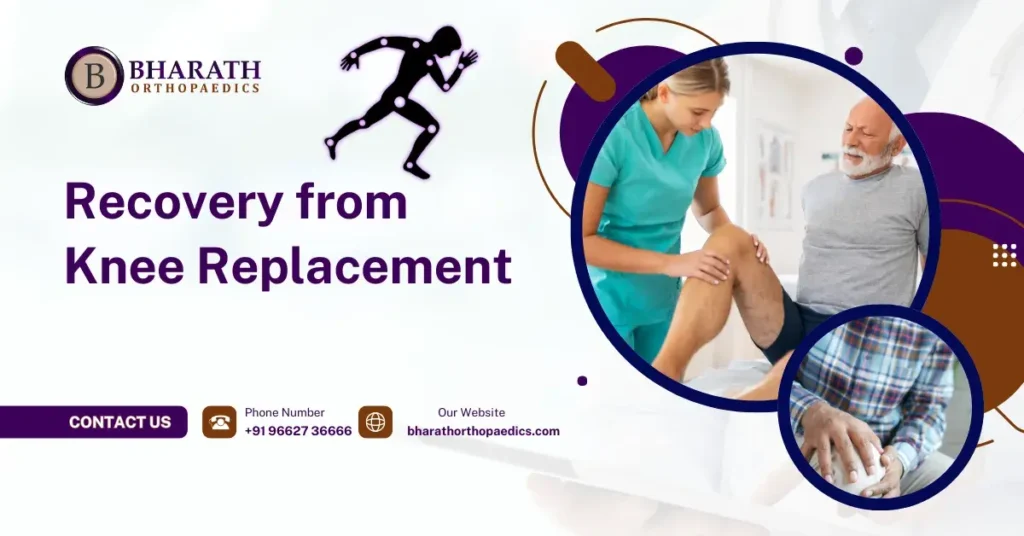
Recovery includes physiotherapy, pain management, strengthening exercises, and gradual return to normal activities with confidence.

Non-surgical options include medications, injections, physiotherapy, weight control, and lifestyle changes before surgery are considered.

Improving your sitting posture involves keeping the spine aligned, shoulders relaxed, feet flat, using supportive seating to reduce strain and improve comfort.

Key supplements after hip replacement include vitamin D, calcium, omega-3, and protein to strengthen bones, reduce inflammation, and support recovery.

Improving back pain involves regular stretching, strengthening exercises, proper posture, heat or cold therapy, ergonomic habits, and lifestyle changes that reduce strain and support spinal function.